Marketing Framework | Achieve Predictable Growth | RK Media
In a digital-first economy, businesses cannot rely on random tactics or short-term trends. Sustainable success comes from structure, clarity, and consistent execution. That is where a well-designed marketing frameworks becomes invaluable. Instead of operating in silos, it connects strategy, execution, and measurement into one aligned growth system.

At RK Media, we often see brands investing heavily in ads or content without a defined path. The result? Scattered messaging and inconsistent performance. A structured approach ensures your digital marketing strategy supports long-term business goals rather than temporary spikes in visibility.
Why Structure Matters in Modern Marketing?
A clear marketing frameworks provides direction across every campaign. It aligns your content strategy, paid media, SEO, and email initiatives under unified objectives. When marketing efforts share a common structure, teams make smarter decisions and reduce wasted budgets.
Without a system, audience targeting becomes guesswork. Campaigns may generate impressions but fail to convert because messaging is misaligned with customer intent. Businesses that implement structured digital marketing strategy models often achieve stronger campaign optimization and measurable ROI.
Key Advantages of a Defined Approach
- Clear brand positioning
- Focused audience targeting
- Consistent campaign optimization
- Improved budget allocation
- Measurable performance tracking
A documented process creates predictability—something every growing business needs.
Core Components of an Effective System
Every high-performing marketing frameworks includes foundational elements that guide execution.
1. Market Research and Audience Clarity
Understanding your market is the starting point. Strong audience targeting begins with identifying customer pain points, motivations, and decision triggers. Research transforms assumptions into data-backed insights.
2. Strategic Channel Selection
Your content strategy must match where your audience spends time. Whether leveraging LinkedIn for B2B outreach or Instagram for lifestyle engagement, channel choice impacts overall digital marketing strategy performance.
3. Funnel Alignment
Mapping awareness, consideration, and conversion stages ensures consistent messaging. Each stage requires tailored campaign optimization to move prospects forward efficiently.
4. Measurement and Refinement
Analytics close the loop. Reviewing KPIs such as cost per acquisition and engagement rates allows continuous improvement and smarter audience targeting decisions.
Comparing Popular Marketing Models
Different businesses apply different systems based on scale and objectives. Below is a simplified comparison:
| Model | Primary Focus | Best For | Key Benefit |
|---|---|---|---|
| AIDA | Customer journey stages | Small campaigns | Clear messaging flow |
| STP | Segmentation & positioning | Growing brands | Precise audience targeting |
| 4Ps | Product-centered planning | Retail & product brands | Balanced strategy mix |
| Growth Loop | Continuous acquisition | Startups | Scalable campaign optimization |
While each model has merit, the best results often come from adapting these principles into a customized marketing framework that fits your business model.
Connecting Strategy with Execution
A well-built marketing frameworks bridges the gap between planning and performance. Many organizations create impressive presentations but struggle with execution because departments operate independently.
Below is how alignment improves outcomes:
| Strategy Element | Practical Execution | Expected Outcome |
|---|---|---|
| Defined personas | Personalized content strategy | Higher engagement |
| Clear KPIs | Data-driven campaign optimization | Stronger ROI |
| Channel focus | Platform-specific creatives | Better conversions |
| Ongoing analysis | Continuous digital marketing strategy refinement | Sustainable growth |
When marketing activities are synchronized, brands experience stronger consistency across touchpoints.
Common Mistakes to Avoid
Even structured plans can fail if poorly implemented. Businesses should avoid:
- Overcomplicating the process
- Ignoring analytics insights
- Weak audience targeting definitions
- Inconsistent content strategy
- Neglecting campaign optimization adjustments
A marketing system should simplify decision-making, not create unnecessary complexity.
Building Long-Term Growth Systems
At RK Media, we believe success is engineered through structure. A refined marketing frameworks integrates research, execution, and analytics into a scalable growth engine. Rather than treating SEO, paid ads, and branding as separate efforts, we align them under one digital marketing strategy.
This integration improves audience targeting accuracy and enhances campaign optimization efficiency. Over time, businesses gain predictable lead flow, stronger positioning, and improved conversion stability.
Future-Proofing Your Approach
Marketing evolves rapidly—automation, AI tools, and personalization are reshaping customer journeys. However, organizations grounded in a clear marketing framework adapt faster because their core strategy remains stable even when tactics shift.
When your content strategy is aligned with measurable objectives and supported by consistent campaign optimization, scaling becomes manageable rather than chaotic. Structure creates resilience in competitive markets.
Frequently Asked Questions
What is a marketing framework?
A marketing framework is a structured system that guides how a business plans, executes, and measures its marketing activities. It aligns strategy, audience targeting, messaging, and performance tracking to achieve consistent growth.
Why is a marketing framework important for businesses?
A marketing framework provides clarity and direction. It prevents random marketing efforts, improves campaign optimization, strengthens brand positioning, and ensures measurable return on investment.
How often should a marketing framework be updated?
A marketing framework should be reviewed quarterly or whenever there are significant changes in market trends, customer behavior, or business objectives to ensure continued effectiveness.
Conclusion: Strategy Creates Momentum
A strong marketing framework transforms scattered efforts into measurable growth. It aligns your digital marketing strategy with business objectives, strengthens audience targeting precision, and enhances campaign optimization across channels.
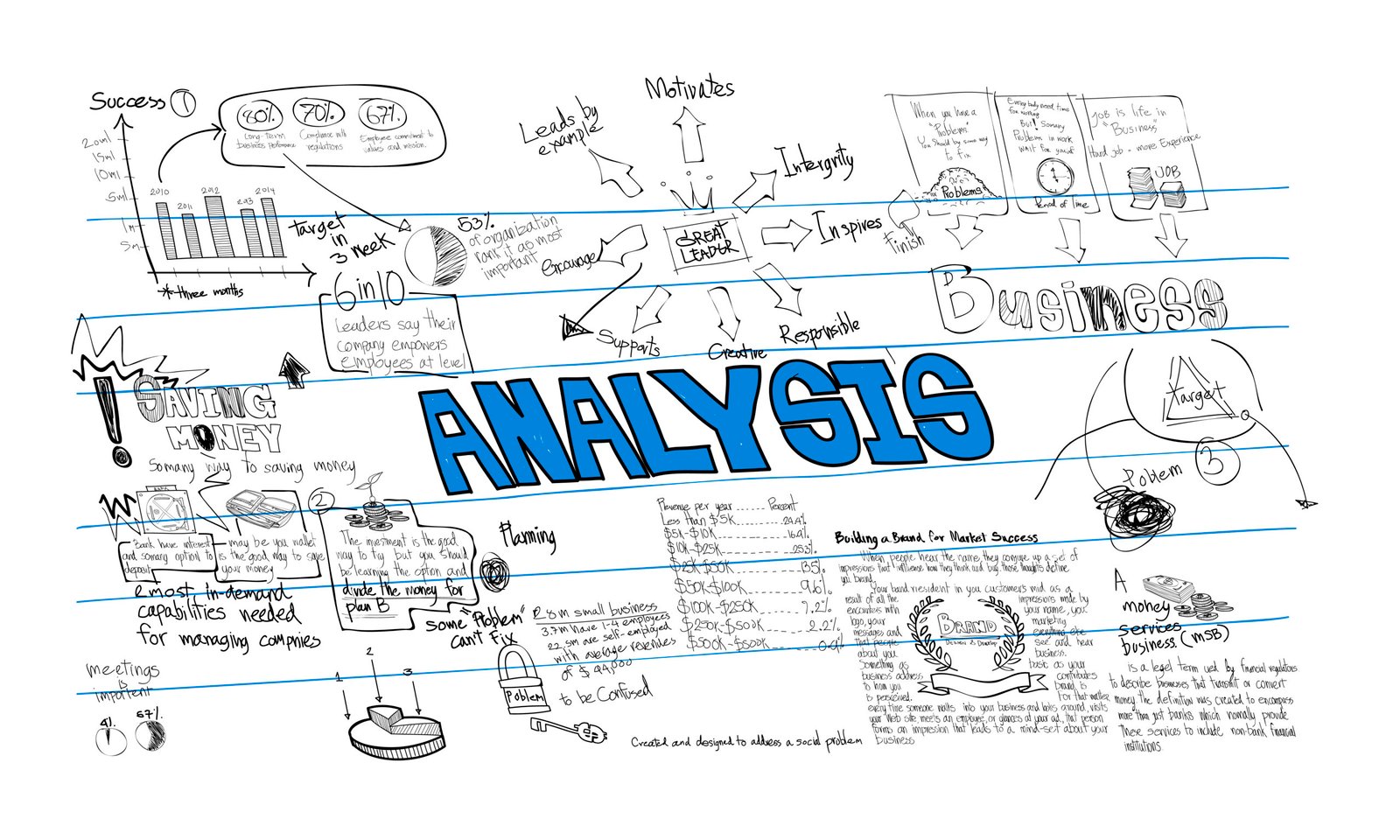
Businesses that invest in structured systems don’t just market—they lead with clarity, consistency, and confidence.
Image Reference: Freepik
Disclaimer: All trademarks, logos, and brand names are the property of their respective owners. All company, product, and service names used in this website are for identification purposes only. Use of these names, trademarks, and brands does not imply endorsement.