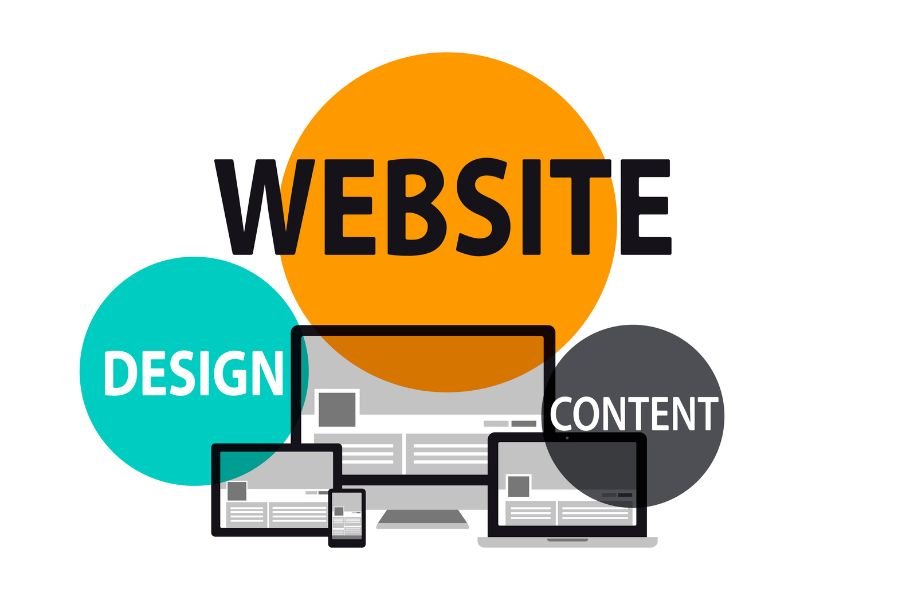
Website Handling | Master Your Online Presence | RKmedia
A strong online presence is no longer optional for businesses, creators, or entrepreneurs. Whether you run a blog, portfolio, or eCommerce store, effective website handling ensures your digital platform performs reliably, ranks well in search engines, and delivers a seamless user experience.

Why Website Handling Matters for Long-Term Growth?
Every website requires consistent monitoring and improvement. Without strategic website handling, issues such as slow loading speed, broken links, outdated plugins, and security vulnerabilities can quickly damage credibility.
Search engines prioritize websites that remain updated and technically healthy. Regular website maintenance signals trustworthiness, while structured content management improves navigation and user engagement. If you’re using WordPress, disciplined WordPress management helps prevent plugin conflicts and compatibility issues.
In simple terms, consistent oversight transforms your website into a stable and scalable digital platform.
The Core Responsibilities of Professional Website Handling
Professional website handling involves more than occasional updates. It includes technical supervision, performance tracking, and security monitoring. When handled correctly, it improves both user experience and search engine visibility.
Core responsibilities include updating plugins and themes, checking for broken links, optimizing loading speed, and monitoring uptime. These routine tasks prevent downtime and enhance reliability. Website maintenance supports these actions by ensuring backups are performed regularly and security layers remain intact.
Additionally, structured content management ensures your pages remain relevant and optimized. When paired with strategic WordPress management, your website operates smoothly without unnecessary technical interruptions.
Technical and Content Optimization
A website must remain technically sound while delivering valuable content. Organized content management includes publishing blog posts consistently, auditing outdated pages, refining internal links, and optimizing images for faster loading.
At the same time, website maintenance helps protect performance by removing unused plugins and clearing database clutter. For WordPress users, strong WordPress management ensures compatibility between the core system and third-party tools.
Search engine optimization also plays a crucial role. Improving Core Web Vitals, implementing schema markup, ensuring mobile responsiveness, and submitting updated sitemaps all contribute to better rankings. Website handling connects these elements into one streamlined workflow.
Website Maintenance Strategies for Better Reliability
Security and stability depend heavily on proactive website maintenance. Without routine updates, websites become vulnerable to malware, hacking attempts, and performance decline.
Effective maintenance includes regular backups, SSL monitoring, malware scanning, and enforcing strong password policies. These preventive measures protect your data and preserve your brand reputation.
When combined with structured content management, website maintenance ensures both technical integrity and informational relevance. WordPress management further strengthens protection by reducing vulnerabilities caused by outdated themes or unsupported plugins.
A secure website builds trust, and trust directly influences conversions.
Workflow for Sustainable Growth
Managing a website becomes easier with a structured plan. Begin each month with system updates and security checks. Mid month, focus on content management tasks such as refreshing older articles and strengthening internal links.
Later, review SEO performance metrics and adjust your strategy accordingly. Website handling becomes less overwhelming when broken into smaller, manageable phases.
Website maintenance ensures the technical side remains stable, while WordPress management keeps your platform aligned with the latest updates. Together, these processes create a reliable and scalable digital foundation.
The Strategic Role of Content Management
Content is the core of every successful website. Without strong content management, even a technically sound website will struggle to engage visitors.
Effective content management includes organizing categories, maintaining consistent publishing schedules, optimizing keywords naturally, and ensuring readability. When aligned with website handling strategies, your content supports SEO and enhances user experience.
Website maintenance ensures your content loads quickly and displays correctly across devices. Meanwhile, WordPress management allows easy editing, scheduling, and structural improvements.
Consistent updates signal authority to search engines and encourage repeat visits from users.
Common Mistakes to Avoid
Many website owners ignore updates for months, upload large unoptimized images, install unnecessary plugins, or skip regular backups. These habits weaken website handling efforts and compromise performance.
Neglecting website maintenance can result in downtime or security breaches. Poor content management may lead to outdated information or reduced engagement. Inefficient WordPress management often causes compatibility errors and slower loading speeds.
Avoiding these mistakes ensures your website remains professional and competitive.
Frequently Asked Questions
What is website handling?
Website handling refers to the overall process of managing, updating, optimizing, and securing a website to ensure smooth performance and long-term growth.
How often should website maintenance be performed?
Basic website maintenance should be done weekly, including updates and backups. A deeper technical and content review is recommended monthly.
Why is content management important for a website?
Content management keeps your website organized, updated, and SEO-friendly. It improves user experience and helps search engines understand your site structure.
Final Thoughts on Effective Website Management
Sustainable digital growth requires structured website handling supported by disciplined website maintenance and organized content management. These elements, combined with consistent WordPress management, create a high-performing and secure online presence.

Your website should evolve with your business goals. By maintaining technical stability, optimizing content, and reviewing performance regularly, you build a platform that delivers measurable long term results.
Consistency, strategy, and proactive oversight are the true foundations of online success.
Image Reference: Freepik
Disclaimer: All trademarks, logos, and brand names are the property of their respective owners. All company, product, and service names used in this website are for identification purposes only. Use of these names, trademarks, and brands does not imply endorsement.